Understanding the Importance of Preschools in America
Early childhood education plays a pivotal role in shaping the future of young learners across the country. As parents navigate the early years of a child's life, finding the right educational environment becomes a top priority. The early years are a time of rapid brain development, making the social and cognitive stimulation provided during this period incredibly valuable. Across America, families recognize the immense benefits of early learning environments that prepare children for kindergarten and beyond. Understanding how these institutions function and why they matter can help families make informed decisions about their children's educational journeys.
The landscape of early education has evolved significantly over the last few decades. What was once viewed primarily as childcare has transformed into a critical foundational step in the academic milestone. Modern research consistently highlights that early socialization and structured play contribute to long-term academic success and emotional well-being. According to USA Facts, nearly half of all three- and four-year-old kids went to preschools in 2023. This statistic underscores the widespread reliance on early learning programs and reflects a growing national consensus on the value of early childhood instruction.
Examining the Cognitive Development Benefits
Early learning centers provide a structured curriculum designed to stimulate cognitive growth in young minds. Children engage in activities that introduce basic literacy, numeracy, and problem-solving skills through interactive play. Educators design lessons that encourage curiosity, exploration, and critical thinking. By introducing these concepts early,
preschools help children build the foundational skills necessary for future academic achievement.
In these classrooms, language development flourishes as children interact with peers and teachers. Storytime, singing, and group discussions expose children to rich vocabulary and sentence structures. This constant communication helps expand their verbal abilities and comprehension skills. The cognitive milestones achieved in these early years set the stage for smoother transitions into primary school environments.
Fostering Social and Emotional Growth
Socialization is another cornerstone of the early childhood classroom experience. Children learn to navigate social dynamics, share toys, take turns, and cooperate on group projects. These daily interactions teach valuable lessons in empathy, patience, and conflict resolution. Learning to express feelings and understand the emotions of others is a critical component of emotional intelligence.
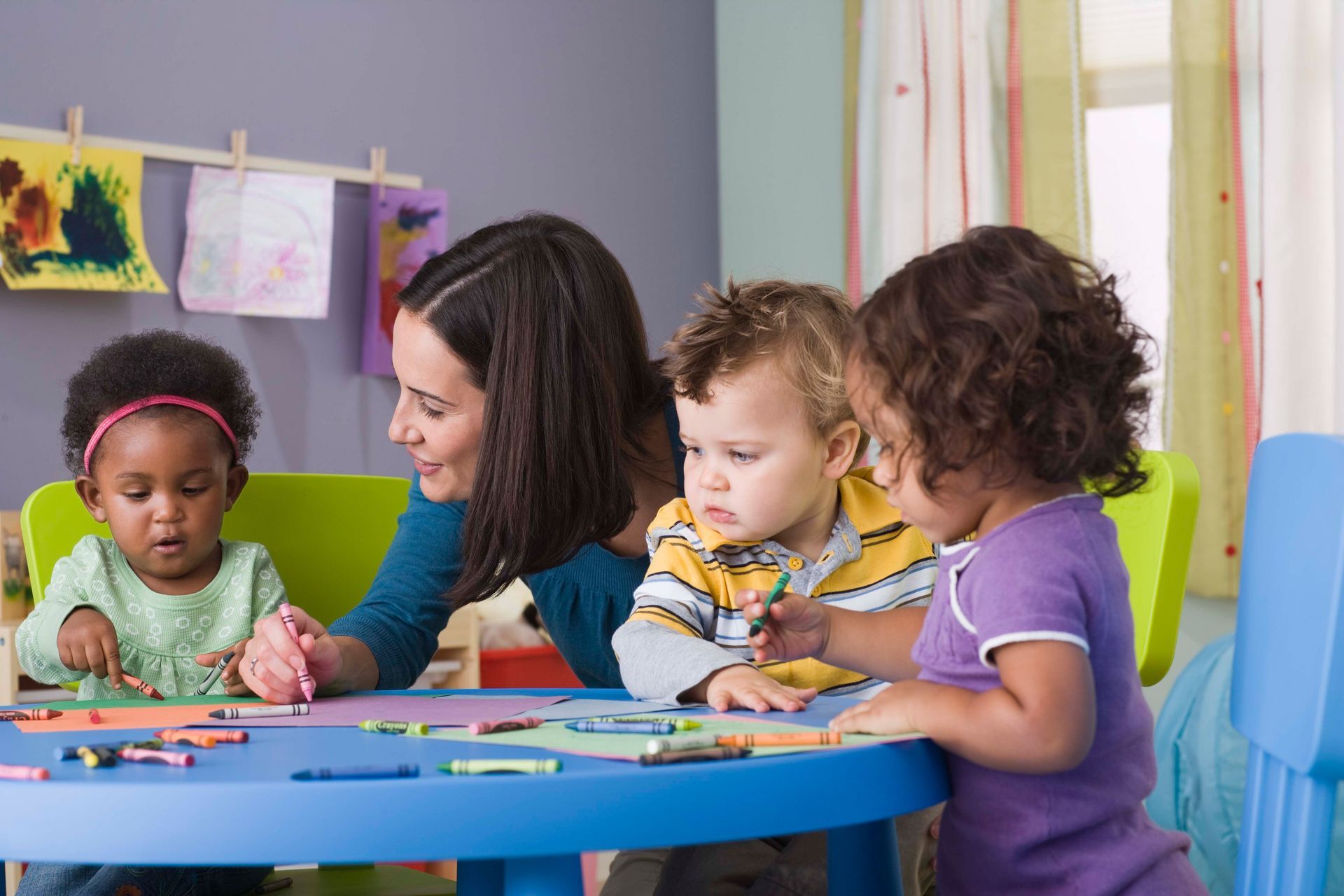
In addition to peer interaction, children develop relationships with adults outside of their immediate family. This helps them build independence and confidence in unfamiliar settings. Managing separation anxiety and adapting to a daily routine are important steps in emotional maturity. The supportive environment of preschools allows children to test boundaries and learn self-regulation in a safe space.
Promoting Physical Health and Motor Skills
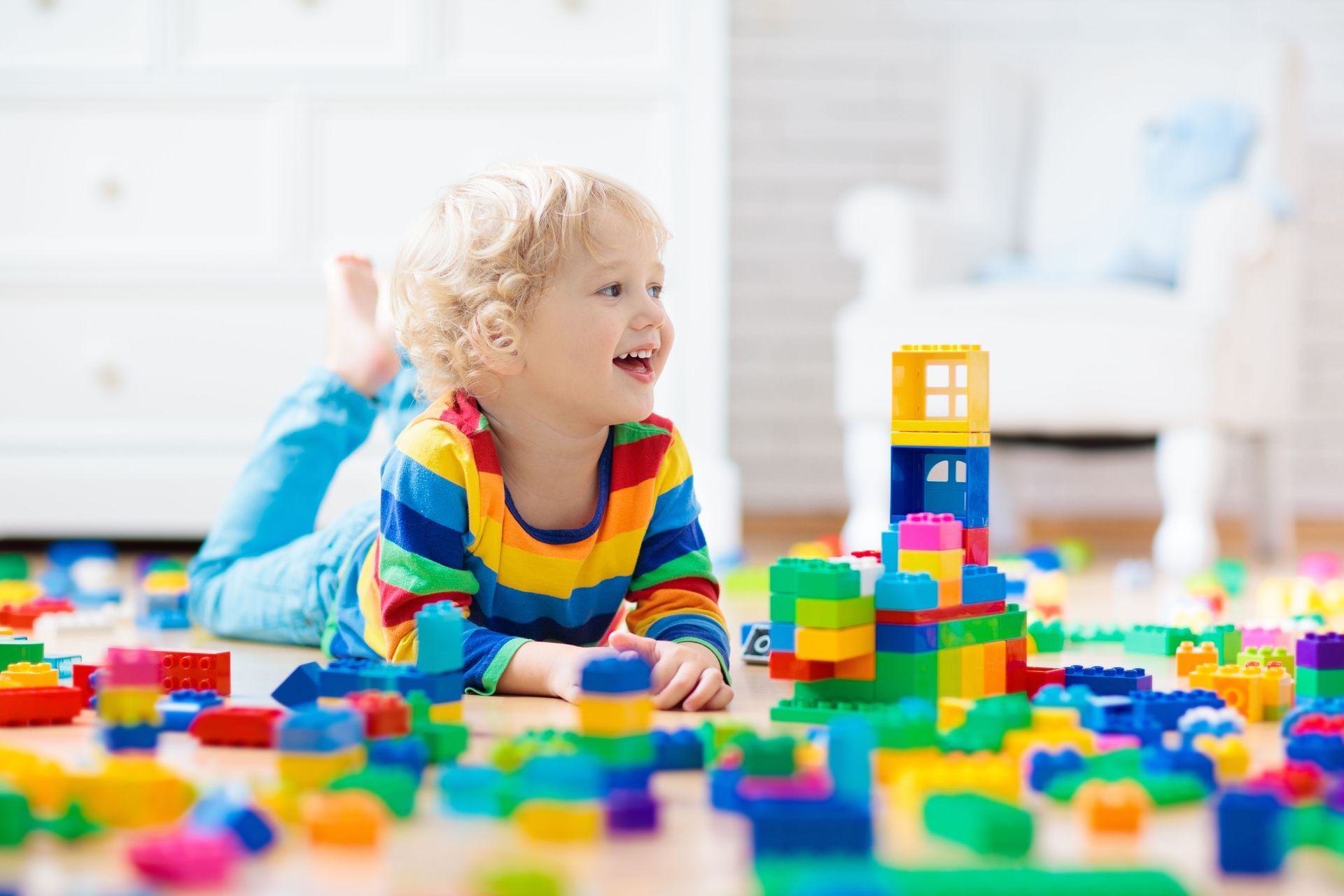
Physical development is integrated into the daily routine of high-quality early childhood programs. Fine motor skills are honed through activities like drawing, cutting with safety scissors, stringing beads, and building with blocks. These exercises strengthen the small muscles in the hands and fingers, preparing children for the physical demands of writing.
Gross motor skills are developed through outdoor play, dancing, and structured physical games. Running, jumping, climbing, and balancing help children build strength, coordination, and spatial awareness. Healthy physical habits established during these formative years encourage an active lifestyle as children grow older. Physical play also serves as an excellent outlet for energy, helping children focus better during quieter classroom activities.
Encouraging Creative Expression and Imagination
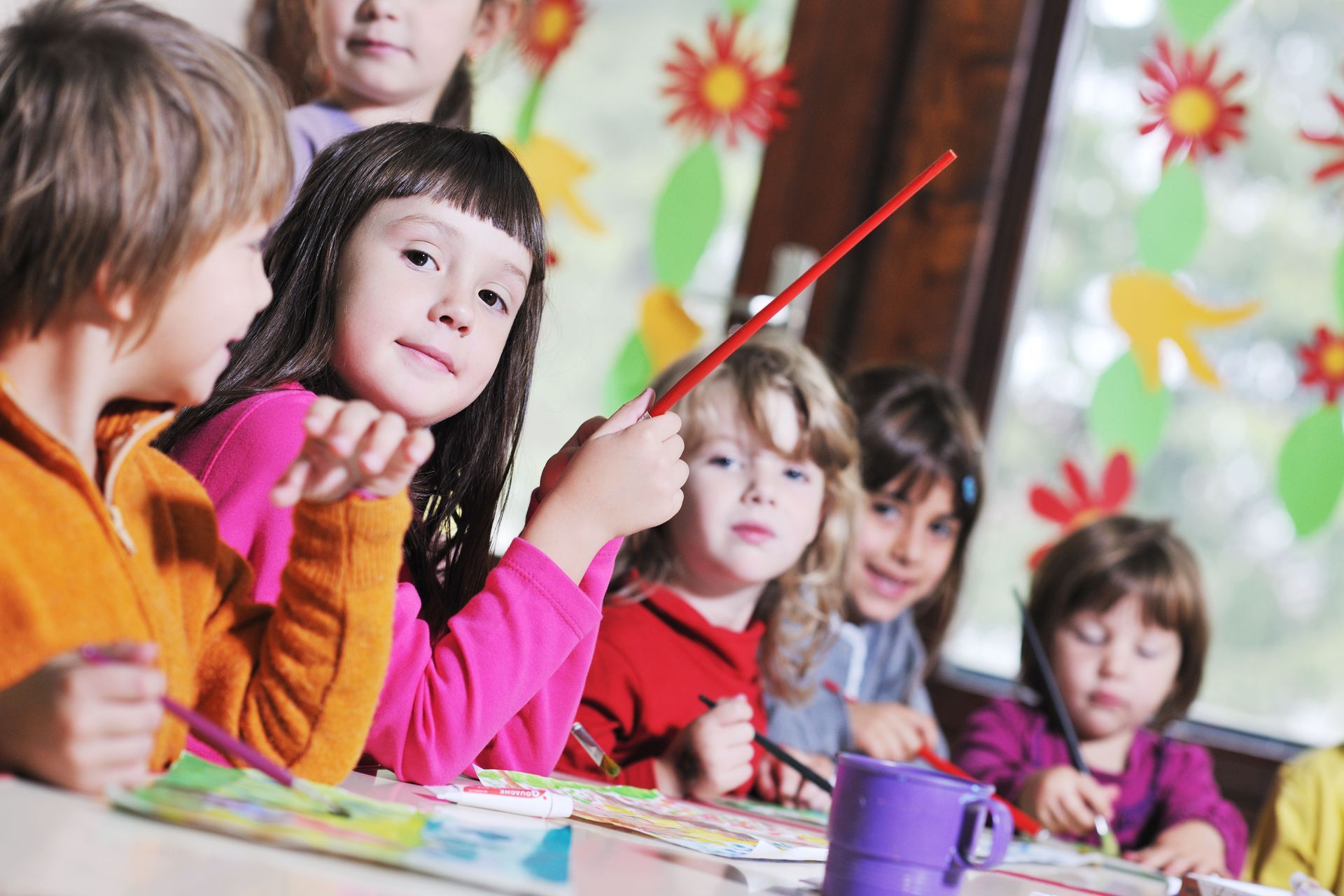
Creativity is nurtured in early learning environments through art, music, and dramatic play, providing children with vital outlets for self-expression. Children are given the freedom to paint, sculpt, and build without rigid constraints, allowing their imaginations to thrive and expand. This creative expression helps children process their daily experiences and express complex thoughts that they might not yet have the verbal vocabulary to fully describe.
Music and movement programs further enrich this environment by introducing children to rhythm, patterns, and auditory discrimination, which are foundational for both mathematical and linguistic development. Similarly, dramatic play areas, such as play kitchens or dress-up corners, allow children to role-play and explore different perspectives, building empathy and social awareness. This type of imaginative play fosters creativity, enhances problem-solving abilities, and supports cognitive flexibility as children navigate changing scenarios. Instructors intentionally encourage this natural curiosity, helping children develop a lifelong love for creative thinking and innovative problem-solving.
Supporting Families and Creating Communities
Early childhood centers offer vital support systems for working parents and families. Reliable education and care allow parents to pursue their careers with peace of mind. Beyond childcare, these preschools serve as hubs for community building, connecting families with similar values and experiences. Parents often form lasting friendships with other families met through their child's classroom.
Regular communication between teachers and parents ensures that a child's development is supported both at school and at home. Workshops, parent-teacher conferences, and school events provide valuable resources and insights into child development. This collaborative approach creates a strong support network around the child, enhancing their overall well-being. A strong community connection enriches the educational experience for the entire family.
Preparing for the Kindergarten Transition
The transition to formal schooling can be a significant adjustment for young children as they leave the comfort of home or smaller daycare settings for a more structured environment. Early childhood education programs ease this transition by familiarizing children with a school-like structure well before their first day of kindergarten. Within these classrooms, children learn to follow daily schedules, listen to multi-step instructions, raise their hands to speak, and move efficiently between activities. Developing a familiarity with these common classroom norms reduces anxiety and increases confidence when entering kindergarten, making the new environment feel welcoming rather than overwhelming.
Kindergarten teachers frequently note that children who attended preschools adapt more quickly to the academic and social expectations of elementary school. They are often better prepared to engage in structured learning, manage their own materials, and cooperate with classmates on group projects. This behavioral readiness allows teachers to focus on teaching advanced curriculum and core academic skills rather than spending the first few months on basic behavioral adjustments and routine setting. Ultimately, the comprehensive preparation provided in early childhood classrooms lays a sturdy, reliable foundation that supports an entire academic career and fosters a lifelong love of learning.
Evaluating Quality in Early Education
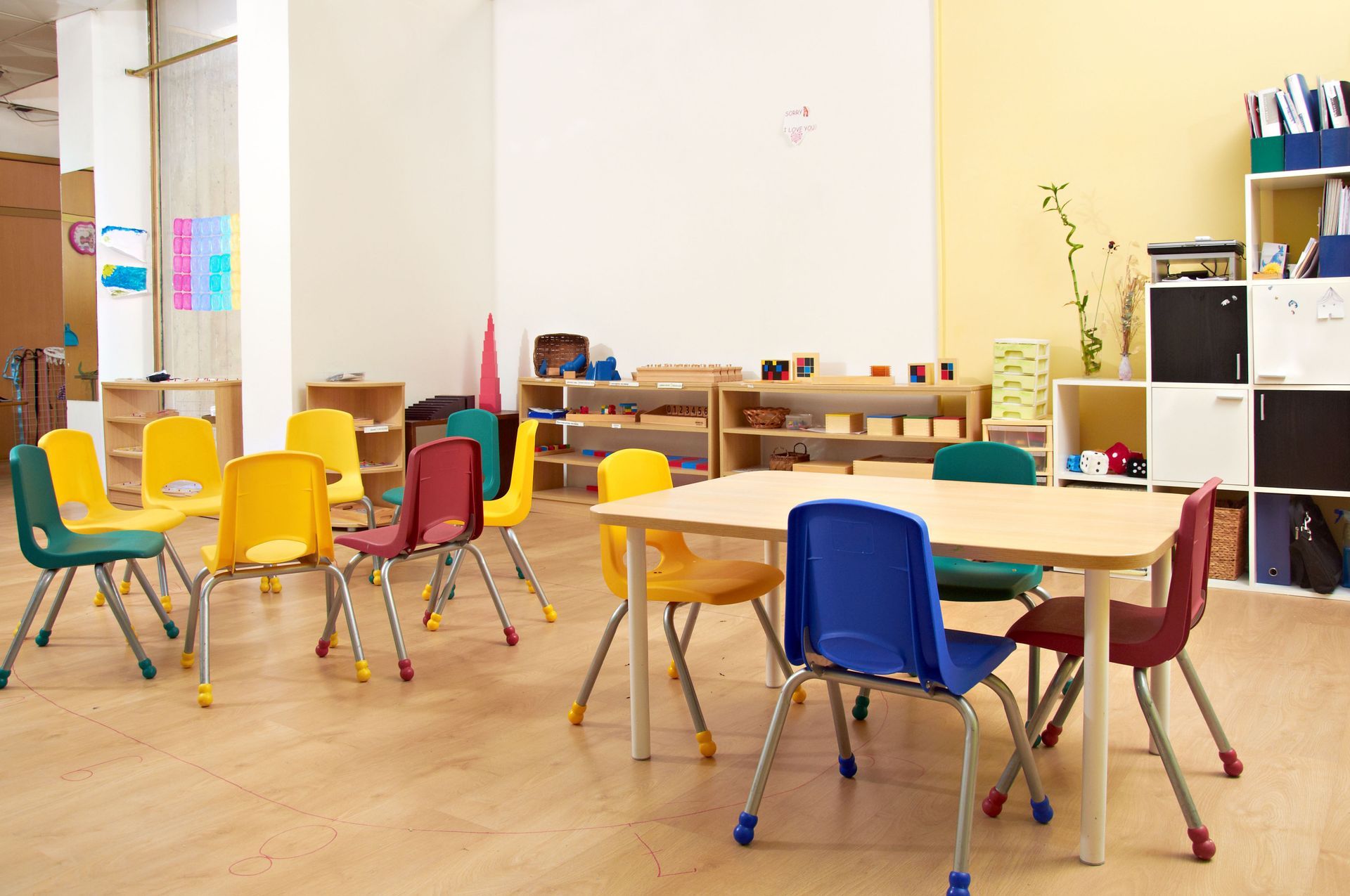
When selecting a program, families look for specific indicators of quality to ensure their child receives the best possible experience. Qualified educators, low teacher-to-child ratios, and a research-based curriculum are essential components of an effective program. A safe, clean, and stimulating physical environment also contributes to positive learning outcomes. Accreditation and certifications from recognized national organizations provide additional assurance of quality standards.
Programs that align with national standards demonstrate a commitment to excellence in early childhood education. These institutions undergo rigorous evaluations to maintain their status, ensuring they utilize current best practices. By choosing a certified provider, families can feel confident that their child's developmental needs are being met by trained professionals at preschools. Investing time into researching these credentials helps families find the ideal fit for their child's unique personality and learning style.
Choosing the right educational foundation is a monumental step in your child's developmental journey. Our Village Children's Academy is a certified provider with Child Care Aware of America (CCAoA) located in Highlands Ranch, CO, dedicated to fostering a love for learning in a nurturing environment. We invite you to explore our programs and see how we support early development. Contact us today to learn more about our curriculum and schedule a tour of our facility.

Share On: